Voluntary benefits have become an increasingly important part of the workplace benefits landscape. They help employers expand support for their workforce. At the same time, they give employees greater choice and flexibility in how they protect their health and financial well-being. As employee needs continue to evolve, understanding the role these benefits play for both employers and employees is critical. Our research explores why organizations invest in voluntary benefits and what employees value most about their coverage. We also examine the impact these offerings can have on overall financial security and workforce well-being.
According to employers:
According to brokers:
1.
Boost satisfaction (85% selected)
2.
Attract talent/recruit new employees (74% selected)
3.
Maintain a healthy workforce (69% selected)
1.
Maintain a healthy workforce (57% selected)
2.
Stay competitive with other employers (56% selected)
3.
Meet employee expectations (55% selected)


vs.

vs.
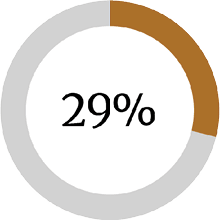
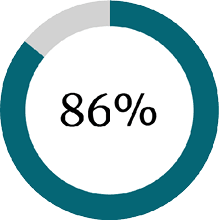
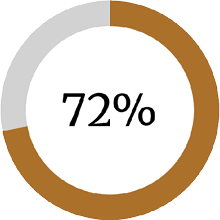
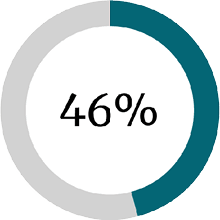
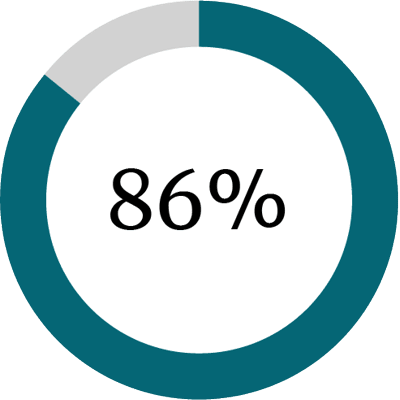
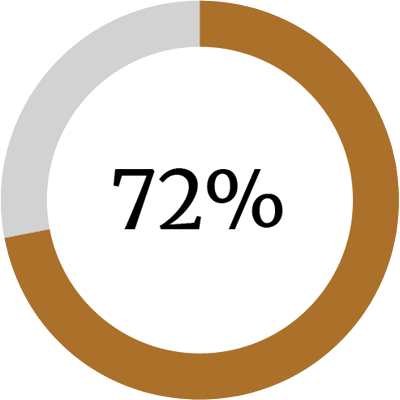
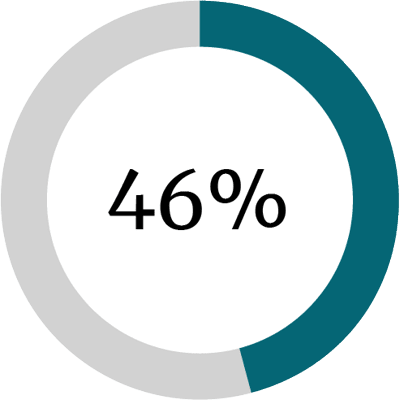
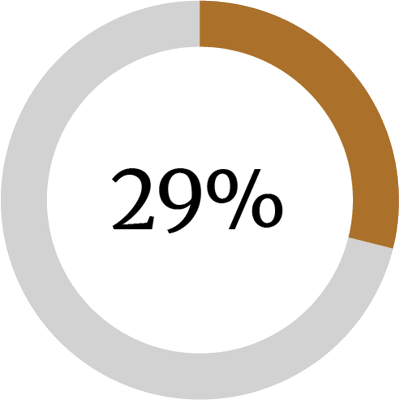
Employers who offer all three voluntary benefits (accident, critical illness and hospital indemnity insurance) report positive impacts on retention (86% vs. 72%) and absenteeism (46% vs. 29%).

#1
Brokers report that the #1 reason employers consider offering voluntary benefits: Because employees ask for them.
Filter by insurance type.

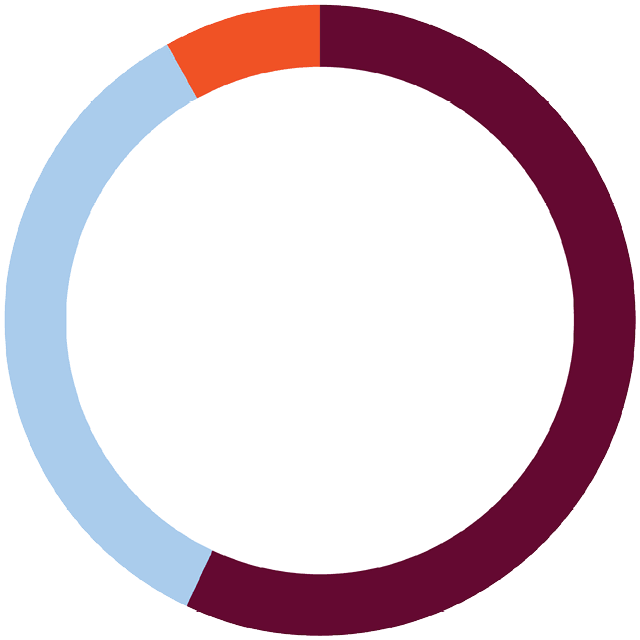
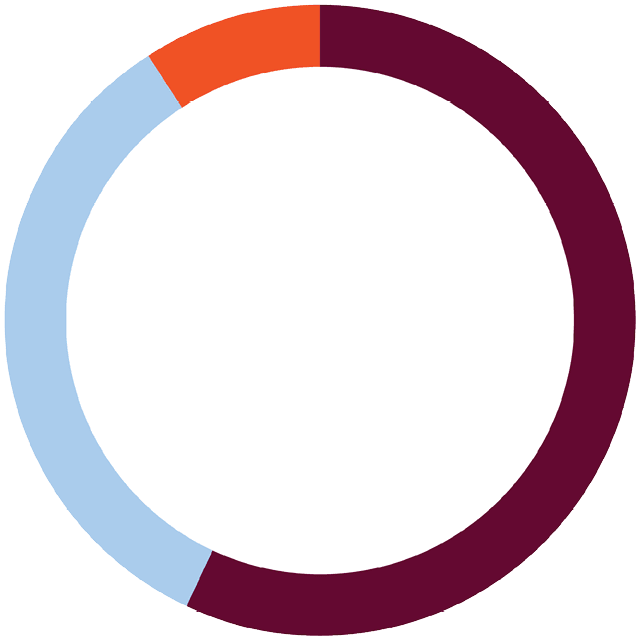
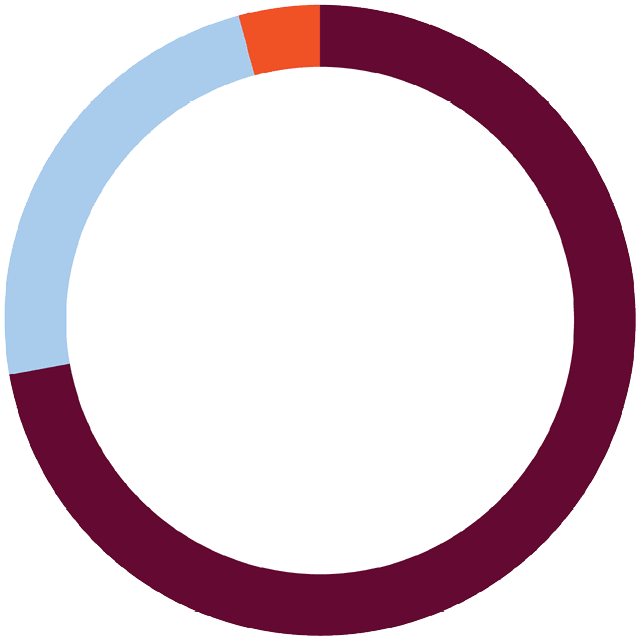
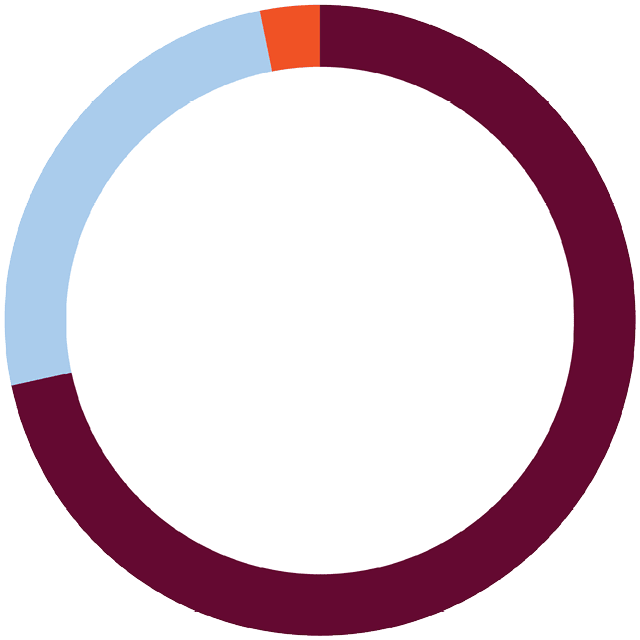
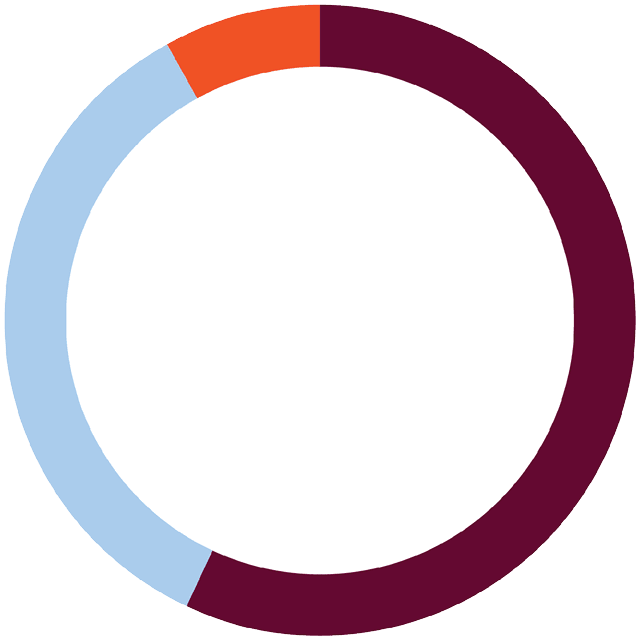
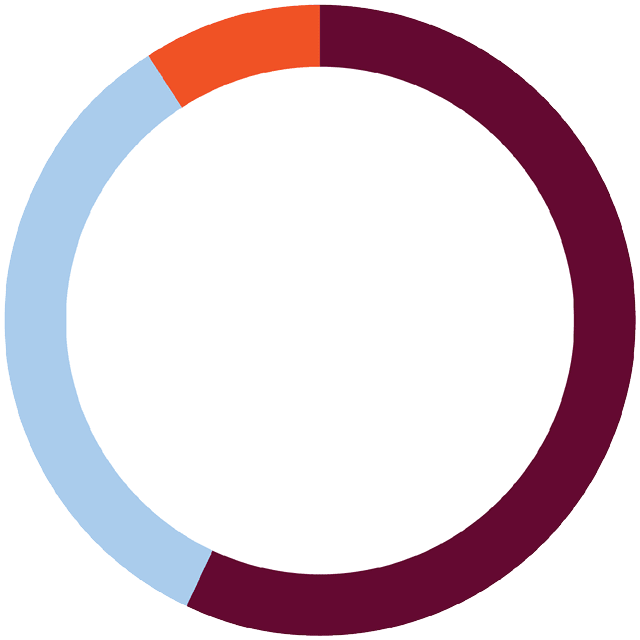
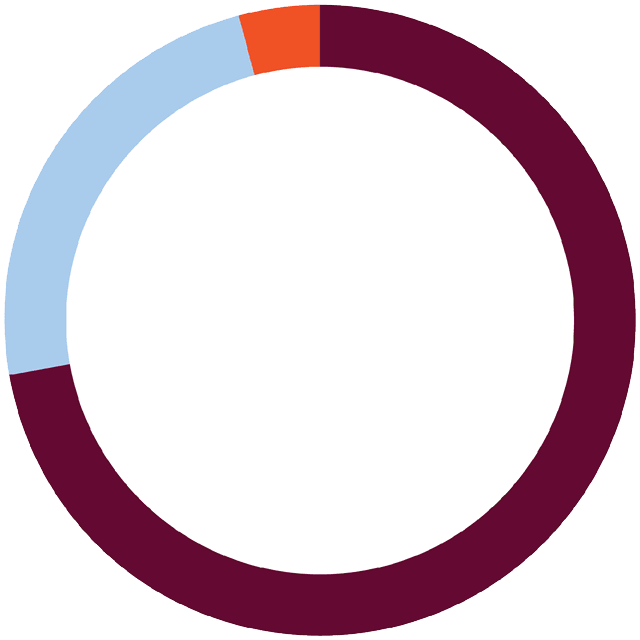
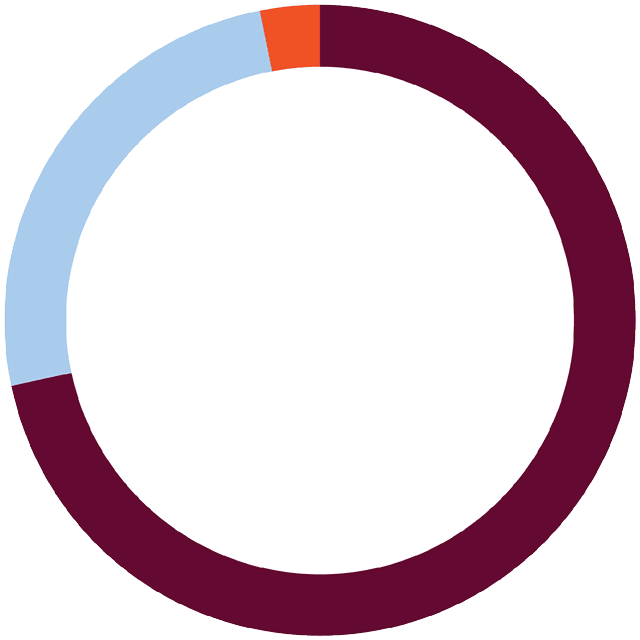
Benefit can help ease employer concerns
Benefit can help employees weather out-of-pocket expenses
Filter by insurance type.
Broker agree
Broker neutral
Employer agree
Employer neutral
Critical illness/cancer insurance
Accident insurance
Hospital indemnity insurance



Filter by employer priority.
Discover more in EBRI Fast Facts: More Than Supplemental: Preparedness and Protection. September 2026
Learn more about broker-specific insights.

The Benefits in Focus study makes one thing clear: Awareness drives action. Employees who understand their options and recognize the value of voluntary benefits are better equipped to make confident enrollment decisions. Explore the interplay between employer, broker and employee perspectives about how voluntary benefits play a key role in workforce engagement and financial resilience.

About Benefits in Focus
The Benefits in Focus study is based on national surveys of 1,130 employees, 408 employers and 170 brokers. The surveys were conducted from March to October 2025, and the analysis was segmented by employer size and broker experience level.
About the Employee Benefit Research Institute
The Employee Benefit Research Institute (EBRI) is a nonprofit, independent and unbiased research organization that provides authoritative, objective information on critical issues in employee benefit programs in the United States. For more information, visit ebri.org.

1 Spiegel, Jake and Bearden, Bridget. “Expanding the Benefits horizon: How Employers View Voluntary Offerings”. Employee Benefit Research Institute Issue Brief, No. 646. November 13, 2025
2 Bearden, Bridget; Spiegel, Jake; Bradbury, Kelsey; et al. “Expanding the Benefits horizon: How Brokers View Voluntary Offerings”. Employee Benefit Research Institute Issue Brief, No. 654. March 24, 2026
3 Bearden, Bridget; Spiegel, Jake; Bradbury, Kelsey, et al. “Expanding the Benefits horizon: Employee Understanding, Enrollment and Financial Vulnerability”. Employee Benefit Research Institute Issue Brief, No. 663. August 20, 2026
4 “Burn-out an ‘Occupational Phenomenon’”. World Health Organization. 2025. https://www.who.int/standards/classifications/frequently-asked-questions/burn-out-an-occupational-phenomenon
5 “Mental Health Disability Duration and Pathways to Well-being at Work”. Integrated Benefits Institute. February 2026. Drawing on “IBI Health and Productivity Benchmarking: Short-Term and Long-Term Disability Programs, Calendar-Year 2024.” 2025
6 In the employee survey, critical illness insurance and cancer insurance were listed as separate options. In the employer survey, they were combined into one answer option.
Lincoln Financial (“Lincoln”) is the marketing name for Lincoln National Corporation and its affiliates, including Lincoln Retirement Services Company, LLC, The Lincoln National Life Insurance Company, Fort Wayne, IN, and, in New York, Lincoln Life & Annuity Company of New York, Syracuse, NY. The Lincoln National Life Insurance Company does not solicit business in the state of New York, nor is it authorized to do so. Affiliates are separately responsible for their own financial and contractual obligations.
No insurance purchase is necessary to use the WellnessPATH® Marketplace.
Lincoln is not affiliated with third party providers accessed through the WellnessPATH® Marketplace.
Lincoln may receive a marketing distribution fee for third party products purchased through WellnessPATH® Marketplace. Depending on the arrangement, it may be a flat-dollar fee or a percentage of fees received by the third party ranging from $1 – $600 per purchase transaction.
Lincoln and its affiliates do not provide advice about the products and services offered by third parties. The information provided through WellnessPATH® Marketplace is general and educational in nature and should not be considered professional advice. Everyone’s circumstances are different and before making a financial wellness decision, an appropriate professional should be consulted.
WellnessPATH® Marketplace will offer links to third party websites that are not part of Lincoln’s websites (“Sites”). Lincoln does not own, control, or endorse the content or products and services available through these third party websites. Lincoln does not assume any responsibility for any losses or damages in connection with the security, privacy practices, or content of any third party websites. These third party websites may have privacy and security policies that differ from our Sites.
Privacy | Legal | © 2026 Lincoln National Corporation
9/26 Z01
Order code: GP-EBRI6-IDE001
LCN-8909600-050426
Voluntary benefits have become an increasingly important part of the workplace benefits landscape. They help employers expand support for their workforce. At the same time, they give employees greater choice and flexibility in how they protect their health and financial well-being. As employee needs continue to evolve, understanding the role these benefits play for both employers and employees is critical. Our research explores why organizations invest in voluntary benefits and what employees value most about their coverage. We also examine the impact these offerings can have on overall financial security and workforce well-being.
According to employers:
According to brokers:
1.
Boost satisfaction (85% selected)
2.
Attract talent/recruit new employees (74% selected)
3.
Maintain a healthy workforce (69% selected)
1.
Maintain a healthy workforce (57% selected)
2.
Stay competitive with other employers (56% selected)
3.
Meet employee expectations (55% selected)


vs.
vs.
Employers who offer all three voluntary benefits (accident, critical illness and hospital indemnity insurance) report positive impacts on retention (86% vs. 72%) and absenteeism (46% vs. 29%).
#1
Brokers report that the #1 reason employers consider offering voluntary benefits: Because employees ask for them.
Filter by insurance type.

Benefit can help ease employer concerns
Benefit can help employees weather out-of-pocket expenses
Filter by insurance type.
Broker agree
Broker neutral
Employer agree
Employer neutral
Critical illness/cancer insurance
Accident insurance
Hospital indemnity insurance
Filter by employer priority.
Discover more in EBRI Fast Facts: More Than Supplemental: Preparedness and Protection. September 2026
Learn more about broker-specific insights.
The Benefits in Focus study makes one thing clear: Awareness drives action. Employees who understand their options and recognize the value of voluntary benefits are better equipped to make confident enrollment decisions. Explore the interplay between employer, broker and employee perspectives about how voluntary benefits play a key role in workforce engagement and financial resilience.
About Benefits in Focus
The Benefits in Focus study is based on national surveys of 1,130 employees, 408 employers and 170 brokers. The surveys were conducted from March to October 2025, and the analysis was segmented by employer size and broker experience level.
About the Employee Benefit Research Institute
The Employee Benefit Research Institute (EBRI) is a nonprofit, independent and unbiased research organization that provides authoritative, objective information on critical issues in employee benefit programs in the United States. For more information, visit ebri.org.
1 Spiegel, Jake and Bearden, Bridget. “Expanding the Benefits horizon: How Employers View Voluntary Offerings”. Employee Benefit Research Institute Issue Brief, No. 646. November 13, 2025
2 Bearden, Bridget; Spiegel, Jake; Bradbury, Kelsey; et al. “Expanding the Benefits horizon: How Brokers View Voluntary Offerings”. Employee Benefit Research Institute Issue Brief, No. 654. March 24, 2026
3 Bearden, Bridget; Spiegel, Jake; Bradbury, Kelsey, et al. “Expanding the Benefits horizon: Employee Understanding, Enrollment and Financial Vulnerability”. Employee Benefit Research Institute Issue Brief, No. 663. August 20, 2026
4 “Burn-out an ‘Occupational Phenomenon’”. World Health Organization. 2025. https://www.who.int/standards/classifications/frequently-asked-questions/burn-out-an-occupational-phenomenon
5 “Mental Health Disability Duration and Pathways to Well-being at Work”. Integrated Benefits Institute. February 2026. Drawing on “IBI Health and Productivity Benchmarking: Short-Term and Long-Term Disability Programs, Calendar-Year 2024.” 2025
6 In the employee survey, critical illness insurance and cancer insurance were listed as separate options. In the employer survey, they were combined into one answer option.
Lincoln Financial (“Lincoln”) is the marketing name for Lincoln National Corporation and its affiliates, including Lincoln Retirement Services Company, LLC, The Lincoln National Life Insurance Company, Fort Wayne, IN, and, in New York, Lincoln Life & Annuity Company of New York, Syracuse, NY. The Lincoln National Life Insurance Company does not solicit business in the state of New York, nor is it authorized to do so. Affiliates are separately responsible for their own financial and contractual obligations.
No insurance purchase is necessary to use the WellnessPATH® Marketplace.
Lincoln is not affiliated with third party providers accessed through the WellnessPATH® Marketplace.
Lincoln may receive a marketing distribution fee for third party products purchased through WellnessPATH® Marketplace. Depending on the arrangement, it may be a flat-dollar fee or a percentage of fees received by the third party ranging from $1 – $600 per purchase transaction.
Lincoln and its affiliates do not provide advice about the products and services offered by third parties. The information provided through WellnessPATH® Marketplace is general and educational in nature and should not be considered professional advice. Everyone’s circumstances are different and before making a financial wellness decision, an appropriate professional should be consulted.
WellnessPATH® Marketplace will offer links to third party websites that are not part of Lincoln’s websites (“Sites”). Lincoln does not own, control, or endorse the content or products and services available through these third party websites. Lincoln does not assume any responsibility for any losses or damages in connection with the security, privacy practices, or content of any third party websites. These third party websites may have privacy and security policies that differ from our Sites.
Privacy | Legal | © 2026 Lincoln National Corporation
9/26 Z01
Order code: GP-EBRI6-IDE001
LCN-8909600-050426
Voluntary benefits have become an increasingly important part of the workplace benefits landscape. They help employers expand support for their workforce. At the same time, they give employees greater choice and flexibility in how they protect their health and financial well-being. As employee needs continue to evolve, understanding the role these benefits play for both employers and employees is critical. Our research explores why organizations invest in voluntary benefits and what employees value most about their coverage. We also examine the impact these offerings can have on overall financial security and workforce well-being.
According to employers:
According to brokers:
1.
Boost satisfaction (85% selected)
2.
Attract talent/recruit new employees (74% selected)
3.
Maintain a healthy workforce (69% selected)
1.
Maintain a healthy workforce (57% selected)
2.
Stay competitive with other employers (56% selected)
3.
Meet employee expectations (55% selected)
vs.
vs.
Employers who offer all three voluntary benefits (accident, critical illness and hospital indemnity insurance) report positive impacts on retention (86% vs. 72%) and absenteeism (46% vs. 29%).

#1
Brokers report that the #1 reason employers consider offering voluntary benefits: Because employees ask for them.
Filter by insurance type.
Filter by insurance type.
Broker agree
Broker neutral
Employer agree
Employer neutral
Benefit can help ease employer concerns
Benefit can help employees weather out-of-pocket expenses
Filter by employer priority.
Critical illness/cancer insurance
Accident insurance
Hospital indemnity insurance

Discover more in EBRI Fast Facts: More Than Supplemental: Preparedness and Protection. September 2026
Learn more about broker-specific insights.

The Benefits in Focus study makes one thing clear: Awareness drives action. Employees who understand their options and recognize the value of voluntary benefits are better equipped to make confident enrollment decisions. Explore the interplay between employer, broker and employee perspectives about how voluntary benefits play a key role in workforce engagement and financial resilience.


About Benefits in Focus
The Benefits in Focus study is based on national surveys of 1,130 employees, 408 employers and 170 brokers. The surveys were conducted from March to October 2025, and the analysis was segmented by employer size and broker experience level.
About the Employee Benefit Research Institute
The Employee Benefit Research Institute (EBRI) is a nonprofit, independent and unbiased research organization that provides authoritative, objective information on critical issues in employee benefit programs in the United States. For more information, visit ebri.org.

1 Spiegel, Jake and Bearden, Bridget. “Expanding the Benefits horizon: How Employers View Voluntary Offerings”. Employee Benefit Research Institute Issue Brief, No. 646. November 13, 2025
2 Bearden, Bridget; Spiegel, Jake; Bradbury, Kelsey; et al. “Expanding the Benefits horizon: How Brokers View Voluntary Offerings”. Employee Benefit Research Institute Issue Brief, No. 654. March 24, 2026
3 Bearden, Bridget; Spiegel, Jake; Bradbury, Kelsey, et al. “Expanding the Benefits horizon: Employee Understanding, Enrollment and Financial Vulnerability”. Employee Benefit Research Institute Issue Brief, No. 663. August 20, 2026
4 “Burn-out an ‘Occupational Phenomenon’”. World Health Organization. 2025. https://www.who.int/standards/classifications/frequently-asked-questions/burn-out-an-occupational-phenomenon
5 “Mental Health Disability Duration and Pathways to Well-being at Work”. Integrated Benefits Institute. February 2026. Drawing on “IBI Health and Productivity Benchmarking: Short-Term and Long-Term Disability Programs, Calendar-Year 2024.” 2025
6 In the employee survey, critical illness insurance and cancer insurance were listed as separate options. In the employer survey, they were combined into one answer option.
Lincoln Financial (“Lincoln”) is the marketing name for Lincoln National Corporation and its affiliates, including Lincoln Retirement Services Company, LLC, The Lincoln National Life Insurance Company, Fort Wayne, IN, and, in New York, Lincoln Life & Annuity Company of New York, Syracuse, NY. The Lincoln National Life Insurance Company does not solicit business in the state of New York, nor is it authorized to do so. Affiliates are separately responsible for their own financial and contractual obligations.
No insurance purchase is necessary to use the WellnessPATH® Marketplace.
Lincoln is not affiliated with third party providers accessed through the WellnessPATH® Marketplace.
Lincoln may receive a marketing distribution fee for third party products purchased through WellnessPATH® Marketplace. Depending on the arrangement, it may be a flat-dollar fee or a percentage of fees received by the third party ranging from $1 – $600 per purchase transaction.
Lincoln and its affiliates do not provide advice about the products and services offered by third parties. The information provided through WellnessPATH® Marketplace is general and educational in nature and should not be considered professional advice. Everyone’s circumstances are different and before making a financial wellness decision, an appropriate professional should be consulted.
WellnessPATH® Marketplace will offer links to third party websites that are not part of Lincoln’s websites (“Sites”). Lincoln does not own, control, or endorse the content or products and services available through these third party websites. Lincoln does not assume any responsibility for any losses or damages in connection with the security, privacy practices, or content of any third party websites. These third party websites may have privacy and security policies that differ from our Sites.
Privacy | Legal | © 2026 Lincoln National Corporation
9/26 Z01
Order code: GP-EBRI6-IDE001
LCN-8909600-050426
Voluntary benefits have become an increasingly important part of the workplace benefits landscape. They help employers expand support for their workforce. At the same time, they give employees greater choice and flexibility in how they protect their health and financial well-being. As employee needs continue to evolve, understanding the role these benefits play for both employers and employees is critical. Our research explores why organizations invest in voluntary benefits and what employees value most about their coverage. We also examine the impact these offerings can have on overall financial security and workforce well-being.
According to employers:
According to brokers:
1.
Boost satisfaction (85% selected)
2.
Attract talent/recruit new employees
(74% selected)
3.
Maintain a healthy workforce (69% selected)
1.
Maintain a healthy workforce (57% selected)
2.
Stay competitive with other employers
(56% selected)
3.
Meet employee expectations (55% selected)
vs.
Employers who offer all three voluntary benefits (accident, critical illness and hospital indemnity insurance) report positive impacts on retention (86% vs. 72%) and absenteeism (46% vs. 29%).
vs.

#1
Brokers report that the #1 reason employers consider offering voluntary benefits: Because employees ask for them.
Filter by insurance type.
Filter by insurance type.
Broker agree
Broker neutral
Employer agree
Employer neutral
Benefit can help ease employer concerns
Benefit can help employees weather out-of-pocket expenses
Filter by employer priority.
Critical illness/cancer insurance
Accident insurance
Hospital indemnity insurance
Discover more in EBRI Fast Facts: More Than Supplemental: Preparedness and Protection. September 2026
Learn more about broker-specific insights.

The Benefits in Focus study makes one thing clear: Awareness drives action. Employees who understand their options and recognize the value of voluntary benefits are better equipped to make confident enrollment decisions. Explore the interplay between employer, broker and employee perspectives about how voluntary benefits play a key role in workforce engagement and financial resilience.


About Benefits in Focus
The Benefits in Focus study is based on national surveys of 1,130 employees, 408 employers and 170 brokers. The surveys were conducted from March to October 2025, and the analysis was segmented by employer size and broker experience level.
About the Employee Benefit Research Institute
The Employee Benefit Research Institute (EBRI) is a nonprofit, independent and unbiased research organization that provides authoritative, objective information on critical issues in employee benefit programs in the United States. For more information, visit ebri.org.

1 Spiegel, Jake and Bearden, Bridget. “Expanding the Benefits horizon: How Employers View Voluntary Offerings”. Employee Benefit Research Institute Issue Brief, No. 646. November 13, 2025
2 Bearden, Bridget; Spiegel, Jake; Bradbury, Kelsey; et al. “Expanding the Benefits horizon: How Brokers View Voluntary Offerings”. Employee Benefit Research Institute Issue Brief, No. 654. March 24, 2026
3 Bearden, Bridget; Spiegel, Jake; Bradbury, Kelsey, et al. “Expanding the Benefits horizon: Employee Understanding, Enrollment and Financial Vulnerability”. Employee Benefit Research Institute Issue Brief, No. 663. August 20, 2026
4 “Burn-out an ‘Occupational Phenomenon’”. World Health Organization. 2025. https://www.who.int/standards/classifications/frequently-asked-questions/burn-out-an-occupational-phenomenon
5 “Mental Health Disability Duration and Pathways to Well-being at Work”. Integrated Benefits Institute. February 2026. Drawing on “IBI Health and Productivity Benchmarking: Short-Term and Long-Term Disability Programs, Calendar-Year 2024.” 2025
Lincoln Financial (“Lincoln”) is the marketing name for Lincoln National Corporation and its affiliates, including Lincoln Retirement Services Company, LLC, The Lincoln National Life Insurance Company, Fort Wayne, IN, and, in New York, Lincoln Life & Annuity Company of New York, Syracuse, NY. The Lincoln National Life Insurance Company does not solicit business in the state of New York, nor is it authorized to do so. Affiliates are separately responsible for their own financial and contractual obligations.
No insurance purchase is necessary to use the WellnessPATH® Marketplace.
Lincoln is not affiliated with third party providers accessed through the WellnessPATH® Marketplace.
Lincoln may receive a marketing distribution fee for third party products purchased through WellnessPATH® Marketplace. Depending on the arrangement, it may be a flat-dollar fee or a percentage of fees received by the third party ranging from $1 – $600 per purchase transaction.
Lincoln and its affiliates do not provide advice about the products and services offered by third parties. The information provided through WellnessPATH® Marketplace is general and educational in nature and should not be considered professional advice. Everyone’s circumstances are different and before making a financial wellness decision, an appropriate professional should be consulted.
WellnessPATH® Marketplace will offer links to third party websites that are not part of Lincoln’s websites (“Sites”). Lincoln does not own, control, or endorse the content or products and services available through these third party websites. Lincoln does not assume any responsibility for any losses or damages in connection with the security, privacy practices, or content of any third party websites. These third party websites may have privacy and security policies that differ from our Sites.
Privacy | Legal | © 2026 Lincoln National Corporation
9/26 Z01
Order code: GP-EBRI6-IDE001
LCN-8909600-050426